
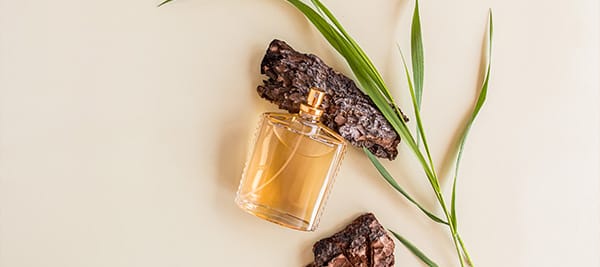
Oud, often referred to as “liquid gold,” is one of the most sought-after and precious fragrances in the world. Its luxurious aroma has captivated people for centuries, making it a symbol of status and refinement in many cultures. But what exactly is oud, and what makes it so special? Let’s explore the fascinating world of this unique scent and uncover the process behind its creation.
The Origins of Oud
Oud, also known as agarwood, originates from the heartwood of certain trees belonging to the Aquilaria species. These trees are primarily found in Southeast Asia, including countries like India, Vietnam, Cambodia, Indonesia, and Malaysia. What sets these trees apart is their ability to produce a dark, aromatic resin in response to fungal infections. This resin is what eventually becomes oud.
The process begins when the tree becomes infected by a specific type of mold, often from the Phialophora species. The tree’s natural response is to produce a resin as a defense mechanism to protect its core. Over time, this resin transforms the heartwood into agarwood, which is then harvested and distilled into the oud oil we know and love.
Why Is Oud So Expensive?
The high cost of oud can be attributed to several factors:
- Rarity of Agarwood: Not all Aquilaria trees produce agarwood. Only a small percentage of these trees become infected and generate the resin necessary for oud. This rarity drives up the price.
- Labor-Intensive Harvesting: Extracting agarwood is a meticulous and time-consuming process. Skilled workers must carefully identify the infected parts of the tree and harvest them without damaging the valuable resin.
- Lengthy Distillation Process: Producing oud oil requires a lengthy distillation process. The resinous wood is soaked in water for several days and then slowly heated to release its aromatic oils. This process can take weeks, further adding to the cost.
- Sustainability Concerns: Overharvesting of agarwood trees has led to a decline in their population, making them an endangered species in many regions. Sustainable harvesting practices and cultivation efforts are necessary to ensure the availability of oud in the future, which adds to its value.
The Scent of Oud
The aroma of oud is unlike any other. It’s a complex blend of woody, smoky, and sweet notes, often accompanied by hints of spice, leather, or even floral undertones. Each batch of oud oil is unique, influenced by factors such as the age of the tree, its geographical location, and the specific distillation method used.
Oud’s scent profile can vary widely:
- Fresh Oud: Offers a lighter, more floral aroma with subtle woody and earthy undertones.
- Aged Oud: Develops a richer, deeper scent with pronounced smoky and resinous characteristics.
- Blended Oud: Combines oud with other ingredients, such as rose, amber, or musk, to create a balanced and versatile fragrance.
How Oud Is Used
Oud has a long history of use in various cultural and religious practices. Here are some of the most common applications:
- Perfumes: Oud oil is a key ingredient in many luxury fragrances. Its ability to blend harmoniously with other scents makes it a favorite among perfumers.
- Incense: Agarwood chips are often burned as incense, releasing a calming and spiritual aroma. This practice is particularly popular in the Middle East, Japan, and India.
- Traditional Medicine: In some cultures, oud is believed to have therapeutic properties and is used in traditional medicine to treat various ailments.
- Aromatherapy: The soothing and grounding qualities of oud make it a popular choice in aromatherapy, where it’s used to promote relaxation and mental clarity.
The Cultural Significance of Oud
Oud holds a special place in many cultures,
In Japan, agarwood is an essential component of the art of Kōdō, or “the way of fragrance.” This traditional practice involves appreciating the subtle qualities of incense in a meditative setting.
In India, oud has been used for centuries in Ayurvedic medicine and spiritual rituals. Its deep, earthy scent is believed to connect individuals with their inner selves, enhancing meditation and mindfulness.
Furthermore, in the Middle East and Southeast Asia it’s often used to scent clothes, homes, and religious temples. Burning oud incense is a common practice during special occasions and religious ceremonies.
How to Choose Quality Oud
With its growing popularity, the market for oud has expanded, leading to a wide range of products and prices. Here are some tips to help you identify high-quality oud:
- Check the Source: Authentic oud comes from Aquilaria trees. Verify the origin of the product and ensure it’s sourced from reputable regions.
- Smell the Scent: True oud has a complex, multi-layered aroma that evolves over time. Synthetic oud may smell overly sweet or lack depth.
- Look for Certification: Sustainable oud products often come with certification indicating that they’re ethically sourced and comply with environmental regulations.
- Test the Longevity: High-quality oud oil should last for hours, with its scent subtly changing and revealing new layers over time.
The Future of Oud
As demand for oud continues to rise, efforts are being made to ensure its sustainability. Cultivating Aquilaria trees in controlled environments has become a viable solution, allowing for the production of oud without depleting wild resources. Advanced distillation techniques are also being developed to maximize the yield and quality of oud oil.
A League of its Own
Oud is much more than just a fragrance; it’s a symbol of tradition, artistry, and luxury. From its humble beginnings in the heartwood of Aquilaria trees to its revered status in the world of perfumery, oud’s journey is as captivating as its scent. Whether you’re new to oud or a seasoned enthusiast, exploring this exquisite aroma is a sensory experience unlike any other. With its rich history, cultural significance, and unparalleled complexity, oud truly stands in a league of its own.
